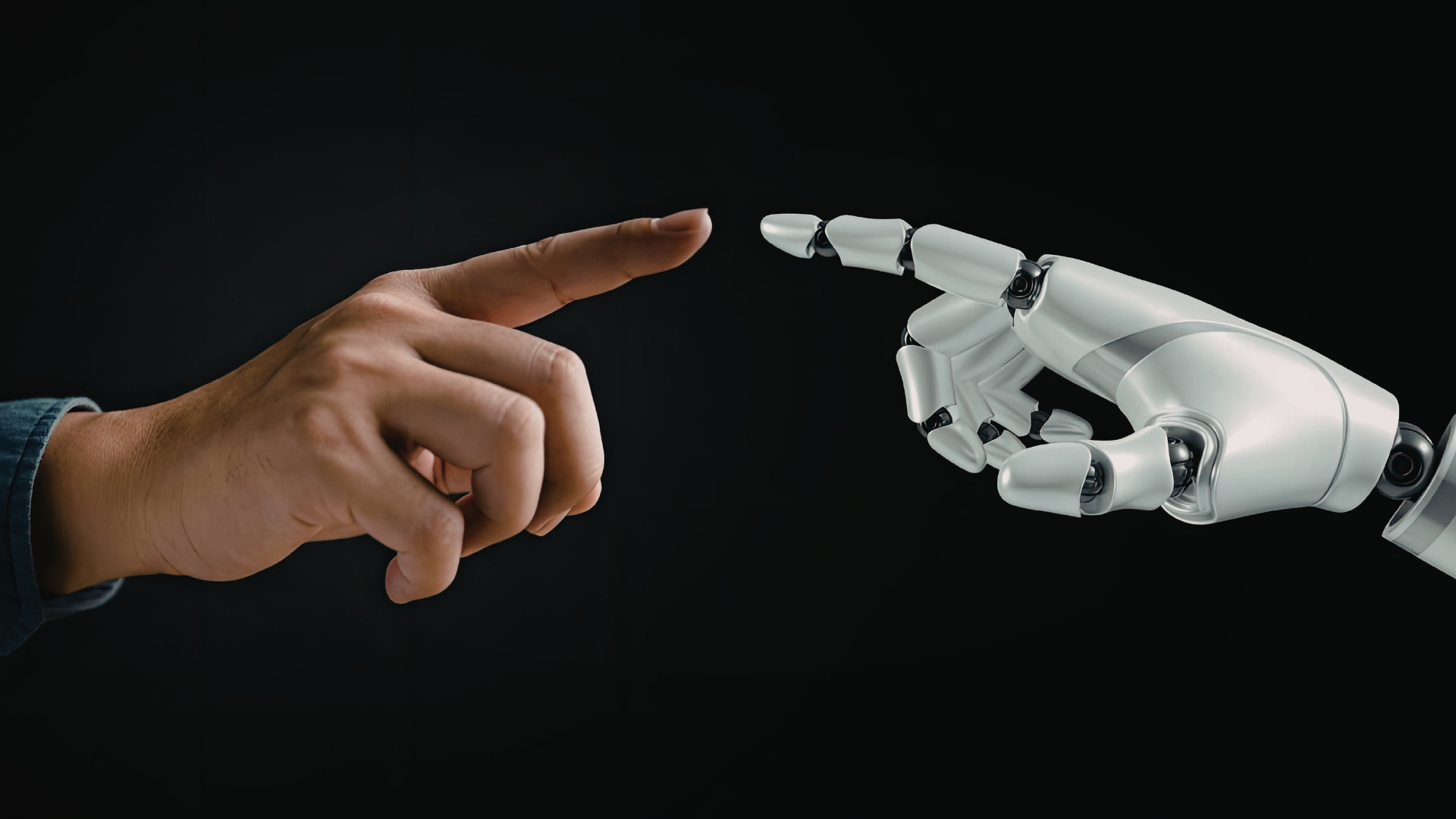

How would humans fare in a reading speed competition with AI?
A slightly ridiculous question, I know.
But humour me.
Let’s start with us.
The average adult has a reading speed of 150-250 WPM (Words Per Minute).
A college-educated reader might reach 250-350 WPM.
And then there are the pro’s - professional speed readers - who can push 600 - 1000+ WPM.
At the very extreme is a certain Howard Stephen Berg, or “Speedy” Berg, who is credited with reading over 25,000 words per minute, and up to 80 pages per minute.
Impressive.
Now, let’s look at AI.
Modern AI systems can process text at speeds of 600,000 to 1,000,000 WPM.
Yes - millions.
So in a pure speed contest… Good luck!
But Reading isn't just Speed
We don’t merely process words - we experience them. Innately, we are emotional creatures, simply meaning that we interpret very differently. We evaluate using logic, cultural awareness, and emotional intuition.
This is why we can pick up on sarcasm, recognise metaphors, and interpret meaning beyond the literal text. Our understanding is shaped by who we are - our lived experiences, our context, our biases, allowing us to make very complex and nuanced interpretations.
That, however, is also our limitation.
Because our reading is subjective, it can be inconsistent. We misinterpret. We project. We miss things.
Unlike humans, AI functions absolutely optimally.
No fatigue.
No emotions.
No distractions.
100% focus, 100% of the time.
Now to those who would argue “tooth and nail” that AI has emotions, I want to phrase this carefully and distinctly; AI can analyse human emotions and “mimic” empathetic responses.
Why only “mimic?” - because it operates based on data, algorithms, and probability, not subjective or genuine emotion.
AI will thoroughly evaluate each word in its context to ensure accurate interpretation without personal prejudice. It can analyse structure, detect relationships, and identify patterns at a scale no human can match.
So what's the Real Difference?

Not speed.
Understanding.
AI cannot understand in the way humans do. Its “meaning” is derived from data, not experience.
We, on the other hand, bring depth.
Context.
Perspective.
We don’t just read words - we interpret, ask questions, and most importantly, connect them to the world we live in.
Where does that leave us?
I believe we shouldn’t be raising a generation of passive consumers of information.
We should be raising readers, thinkers, and creators - people who can engage deeply with ideas, not just skim them, or allow AI to do the heavy-lifting.
Because the real value of reading was never speed.
It has, and will always be understanding.