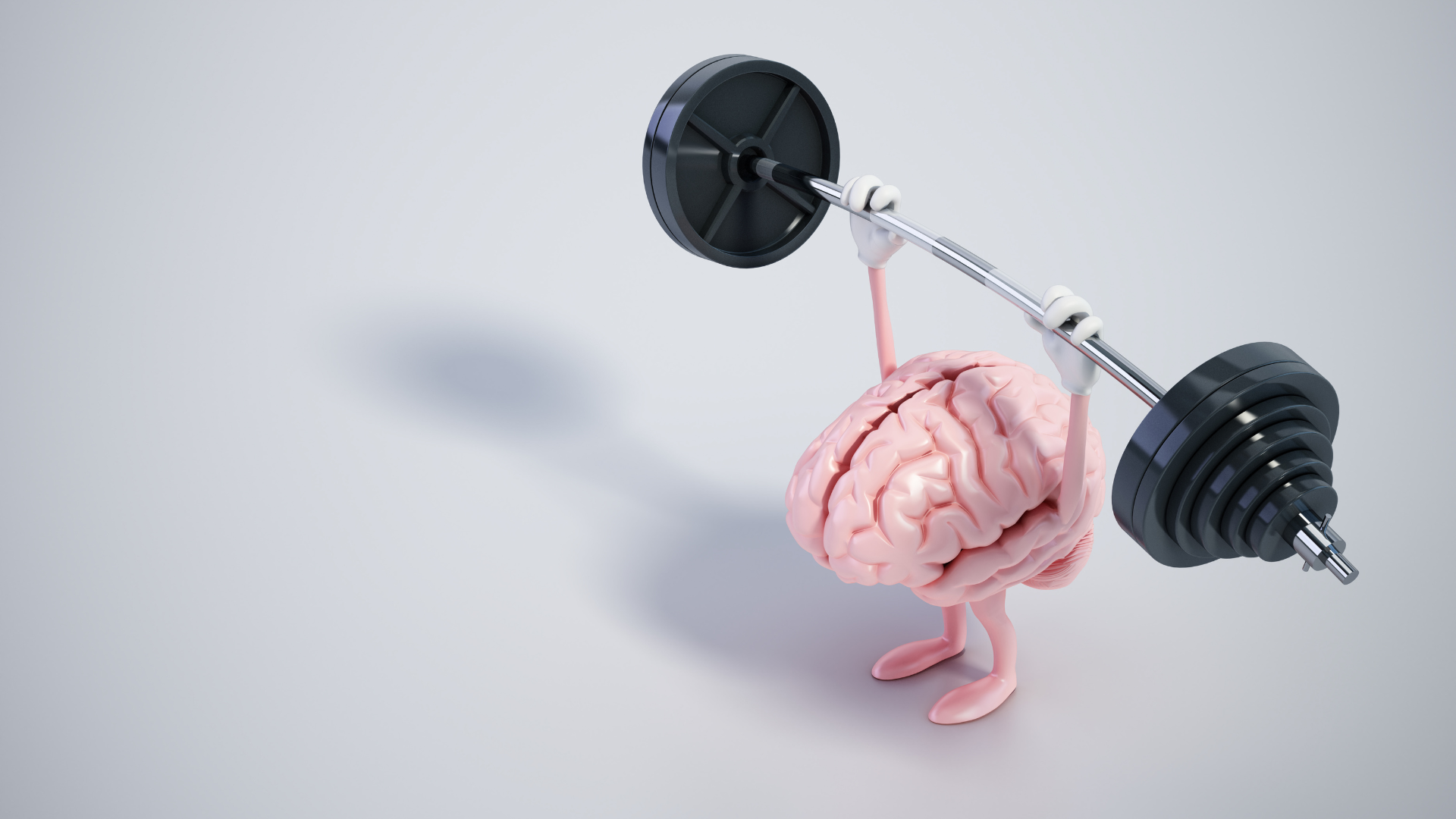

Our brain isn’t a bottomless inbox - yet most of us treat it like one.
Yes, the human brain is remarkably powerful, but it, like everything, has its limits. And in a time where information is flooding us every second, it’s important to use what’s available so we can optimise our brain’s potential.
How can we properly optimise our brain’s potential in the advent of the AI age, and with AI tools available to us?
Cognitive Overload - What is it?
In neuroscience, there is a term called working memory. This is the memory system that stores information currently being processed. And this memory has a very limited capacity; able to hold only 3-5 items of information at the same time.
This fact means as new information enters, it forces existing information out, leading to relatable issues like “immediate forgetting and mental exhaustion.”
Is there a way to handle this overload better?
Of course… enter AI!
AI Tools That Can Help You
AI can help take the mental clutter out of learning. It can smooth the way by changing how information is presented - not just what the information is.
One powerful approach is giving worked examples; these are step-by-step solutions that show exactly how to solve a problem. In a learning context, this lets beginners focus on learning the method instead of burning brainpower on trial and error. So, as the learner gets better, AI can gradually remove parts of the solution, so they’re challenged at just the right level without being thrown in the deep end too soon.
Here are some practical ways AI reduces mental friction:
Reducing Split-Attention: Instead of flipping between text, diagrams, and labels, AI can combine them into one clear visual so learners don’t waste energy piecing things together
Chunking Information: Complex projects can be split into smaller, numbered chunks, making them less intimidating and easier to handle
Bounding Cognitive Tasks: AI can provide simple thinking frameworks - like “Compare” or “Sequence” so you know exactly how to approach a task without feeling lost.

Warning
AI can be a powerful helper to reduce cognitive strain, but only if it’s used wisely. Think of it as scaffolding on a building: it’s meant to support the structure while it’s being built, not replace it entirely.
The key is to use AI in ways that lighten the mental load, not add to it. One smart approach is retrieval practice, which is having learners recall information regularly with the help of AI. This strengthens memory over time, so when you encounter related material later, it feels less overwhelming and easier to process.
I hope this has given you a brief glimpse into how AI can help reduce cognitive load, and free up your mental space to become a better version of yourself.