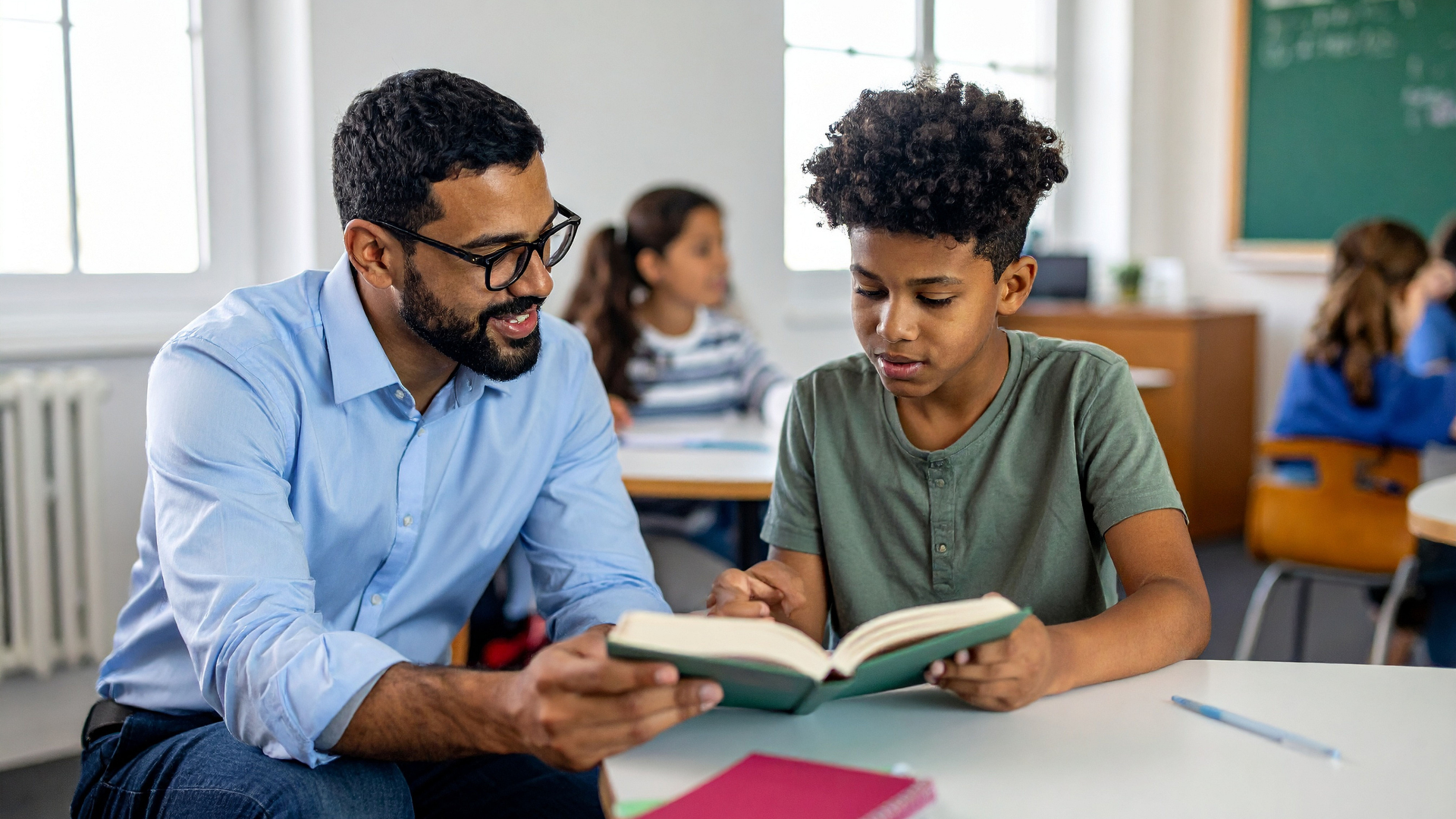

If you’re a parent or teacher, one of the first developmental things you want for children is for them to become confident, capable readers. But reading isn’t a single skill that develops overnight—it’s a complex process that takes time. What helps a five-year-old learn to love stories is very different from what helps a ten-year-old analyse a text or draw deeper meaning from what they read.
And by understanding what skills matter most at each stage of development, you can support them in the best possible way. And so below, I’ve noted down some practical strategies you can use to help your child or student strengthen their reading abilities—from the earliest storybook years through to more advanced comprehension and reasoning.
Early Explorers (Birth - 5yrs)
Focus: Oral language, early reasoning and textual awareness
Try this:
Read aloud daily, modeling expressive phrasing
Talk about story structure in simple terms (beginning, middle, end)
Ask open-ended questions that provoke a level of critical thinking (“Why do you think Fuzzy the Cat was scared to climb the tree?”)
Stick mostly to fictional stories to assist in developing their imagination & creative thinking
Developing Readers (Grades K - 3)
Focus: Developing fluency and basic reasoning
Try this:
Practice fluency through echo reading & partner reading (the classic teaching strategy, “I do, We do, You do.”
Think creatively to make connections between the text and assumed background knowledge
Highlight text features and story structure during read-alouds
Ask students to predict, explain and justify their thinking
Strategic Readers (Grades 4 - 8)
Focus: Strategic comprehension and text analysis
Try this:
Model fluent reading
Utilise short writing tasks to develop reasoning skills
Teach students to identify evidence that supports their inferences & deduction
Analyse how context influences meaning
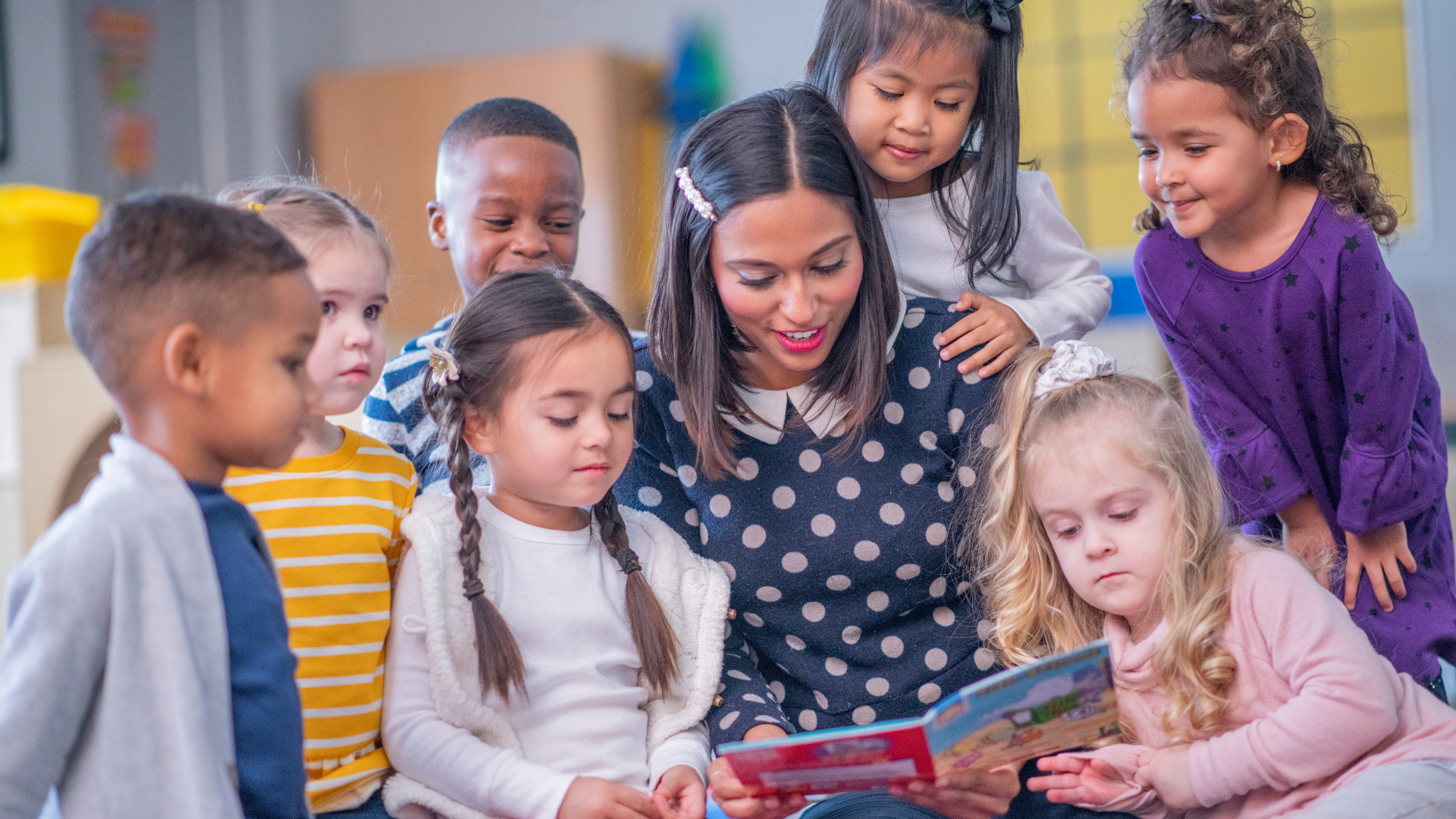
Reading development is a journey, not a race. Each stage builds on the one before it—starting with listening and imagination, moving into fluency and confidence, and eventually developing the reasoning and analytical skills needed for comprehension.
By supporting children with the right strategies at the right time, we help them move beyond simply “reading the words” to truly understanding and thinking about what they read - shifting from “Learn to Read” into “Reading to Learn.”